Learn the Foundations of Product Design Fundamentals
- Saurabh Kumar

- Apr 11
- 4 min read
Product design is an exciting field that blends creativity, problem-solving, and user experience. If you want to create products that people love and use every day, you need to understand the product design fundamentals. These basics will guide you through the process of turning ideas into real, functional products.
In this post, I’ll walk you through the essential concepts of product design. You’ll learn how to think like a designer, approach challenges, and create solutions that work. Whether you’re just starting or looking to sharpen your skills, this guide will help you build a strong foundation.
What Are Product Design Fundamentals?
Product design fundamentals are the core principles and practices that every designer should know. They cover everything from understanding users to sketching ideas and testing prototypes. These basics help you create products that are not only beautiful but also useful and easy to use.
Here are some key elements of product design fundamentals:
User-Centered Design: Always start with the user. Understand their needs, pain points, and goals.
Problem Solving: Design is about solving problems creatively and effectively.
Functionality and Usability: A product must work well and be easy to use.
Aesthetics: Visual appeal matters, but it should support usability.
Iteration: Design is a process. Test, learn, and improve continuously.
By mastering these fundamentals, you’ll be able to create products that stand out and make a difference.
Why Product Design Fundamentals Matter
Understanding product design fundamentals is crucial because it sets the stage for success. Without a solid foundation, your designs might look good but fail to meet user needs or business goals.
When you focus on these basics, you:
Create meaningful experiences: Your products will solve real problems.
Save time and resources: Early testing and iteration prevent costly mistakes.
Build confidence: Knowing the fundamentals helps you make better decisions.
Collaborate effectively: Clear design thinking improves teamwork with developers, marketers, and stakeholders.
For example, when designing a mobile app, starting with user research helps you identify what features are truly needed. Sketching and prototyping early lets you test ideas quickly. This approach leads to a product that users love and businesses trust.

The Core Steps in Product Design Fundamentals
Let’s break down the product design process into clear, manageable steps. Each step builds on the previous one, so you can follow along easily.
1. Research and Understand Your Users
Start by learning about the people who will use your product. Use surveys, interviews, and observations to gather insights. Ask questions like:
What problems do they face?
How do they currently solve these problems?
What are their goals and frustrations?
This research helps you create user personas - fictional characters that represent your target audience. Personas keep your design focused on real needs.
2. Define the Problem Clearly
Once you understand your users, define the problem you want to solve. A clear problem statement guides your design decisions. For example:
"Busy professionals need a way to track their daily tasks quickly and efficiently."
3. Ideate and Brainstorm Solutions
Now, generate as many ideas as possible. Don’t worry about perfection. Use techniques like mind mapping or sketching to explore different approaches. This step encourages creativity and innovation.
4. Prototype Your Ideas
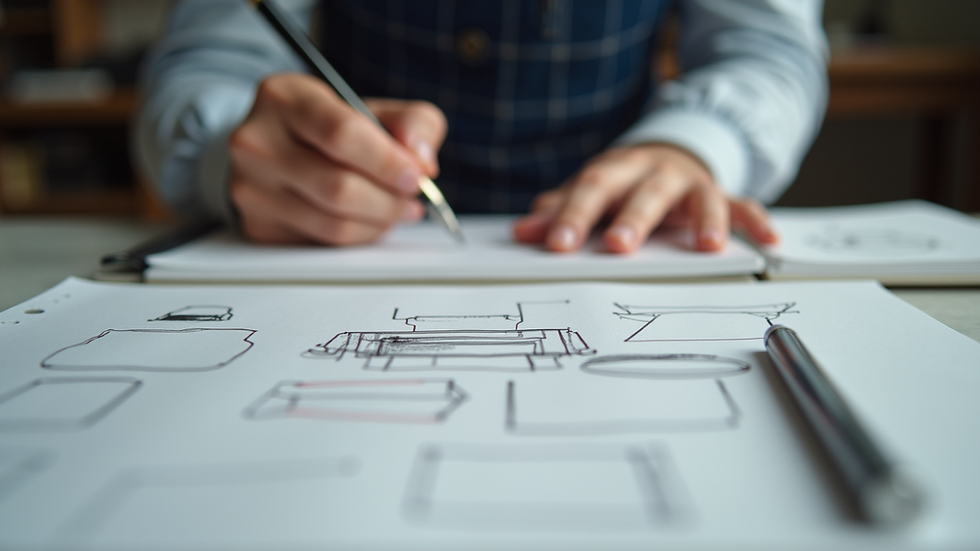
Turn your ideas into simple prototypes. These can be paper sketches, wireframes, or digital mockups. Prototypes help you visualize the product and test its functionality early.
5. Test and Gather Feedback
Share your prototypes with users and stakeholders. Observe how they interact with the design and listen to their feedback. Testing reveals what works and what needs improvement.
6. Iterate and Improve
Use the feedback to refine your design. Repeat the testing and iteration cycle until the product meets user needs and business goals.
By following these steps, you build a product that is well-designed, user-friendly, and effective.
Tools and Techniques to Master Product Design Fundamentals
To work efficiently, you need the right tools and techniques. Here are some essentials that every product designer should know:
Sketching and Wireframing: Start with simple sketches to explore ideas. Tools like Figma, Sketch, or Adobe XD help create wireframes and prototypes.
User Research Methods: Learn how to conduct interviews, surveys, and usability tests.
Design Thinking: A problem-solving approach that focuses on empathy, ideation, and experimentation.
Usability Testing: Techniques to observe users interacting with your product and identify issues.
Collaboration Tools: Platforms like Miro or Notion help teams work together smoothly.
For example, I often use Figma to create interactive prototypes that I can share with users for feedback. This saves time and helps me understand what changes are needed before development.

How to Practice and Improve Your Product Design Skills
Learning the foundations is just the start. To become a great product designer, you need to practice regularly and seek feedback.
Here are some tips to improve your skills:
Work on real projects: Volunteer, freelance, or create your own projects.
Join design communities: Share your work and get feedback from others.
Study existing products: Analyze what makes popular products successful.
Take online courses: Structured learning helps you build knowledge step-by-step.
Stay updated: Follow design blogs, podcasts, and trends.
Remember, every designer started where you are now. Keep practicing, stay curious, and don’t be afraid to make mistakes. They are part of the learning process.
If you want to dive deeper, consider exploring Design Clan, a platform dedicated to upskilling in design, development, and marketing. They offer courses that can help you transform into a top-tier talent with real career growth.
Embrace the Journey of Product Design Fundamentals
Product design is a rewarding journey. By learning and applying the fundamentals, you open doors to endless creative possibilities. You’ll build products that solve problems, delight users, and make an impact.
Start small, stay consistent, and enjoy the process. The more you practice, the more confident and skilled you’ll become. Remember, great design starts with a strong foundation.
So, what are you waiting for? Grab your sketchbook, start researching, and begin your product design adventure today!


Comments